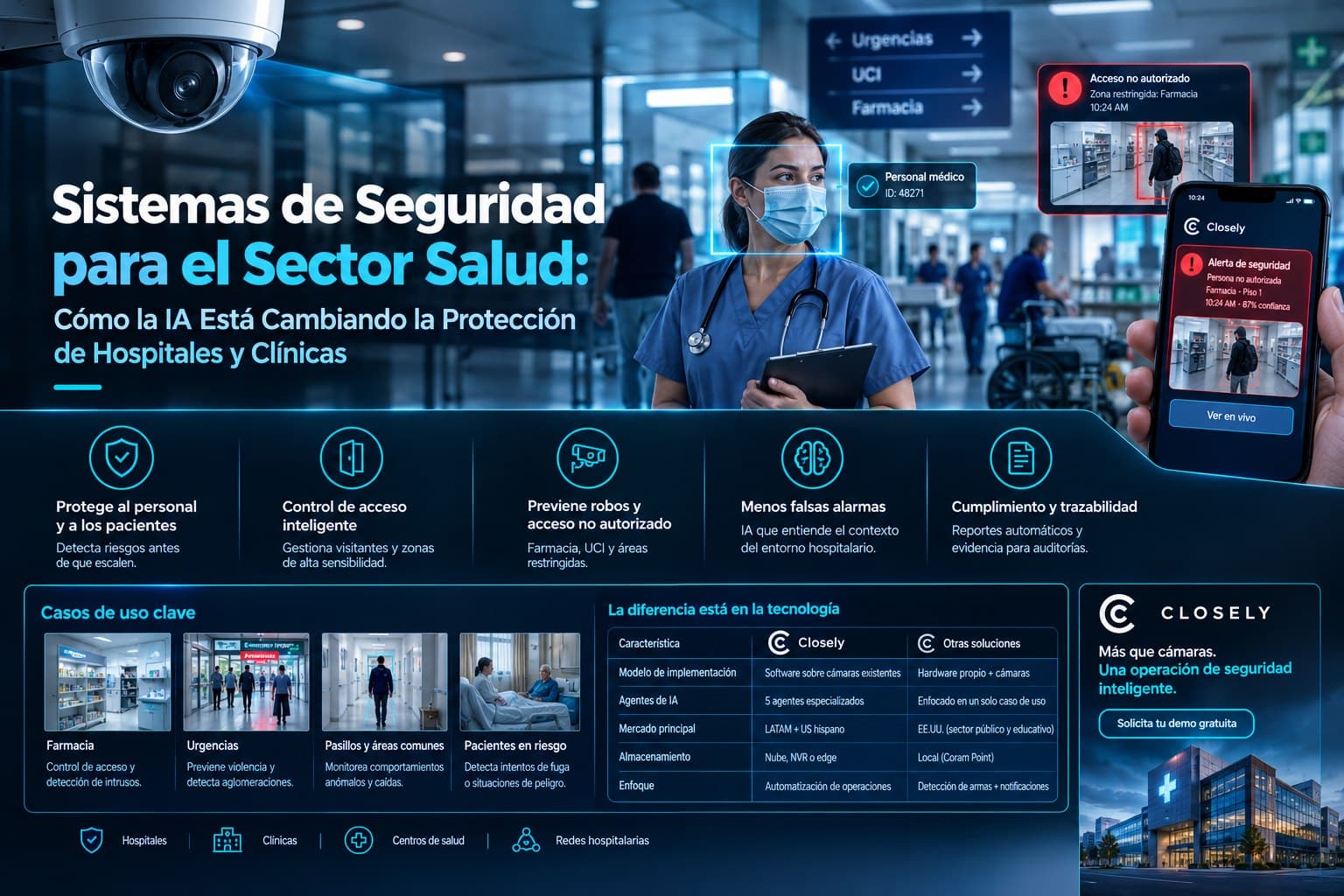
Healthcare Security Systems: How AI Is Changing the Protection of Hospitals and Clinics
Hospital security with AI: pharmacy access control, preventing violence against staff, visitor management, and regulation in LATAM and the U.S.

Corporate Security: How Modern Companies Protect Their Operations in 2026
Modern corporate security: what it covers, how AI has changed it, and the technologies leading companies use to protect their operations.
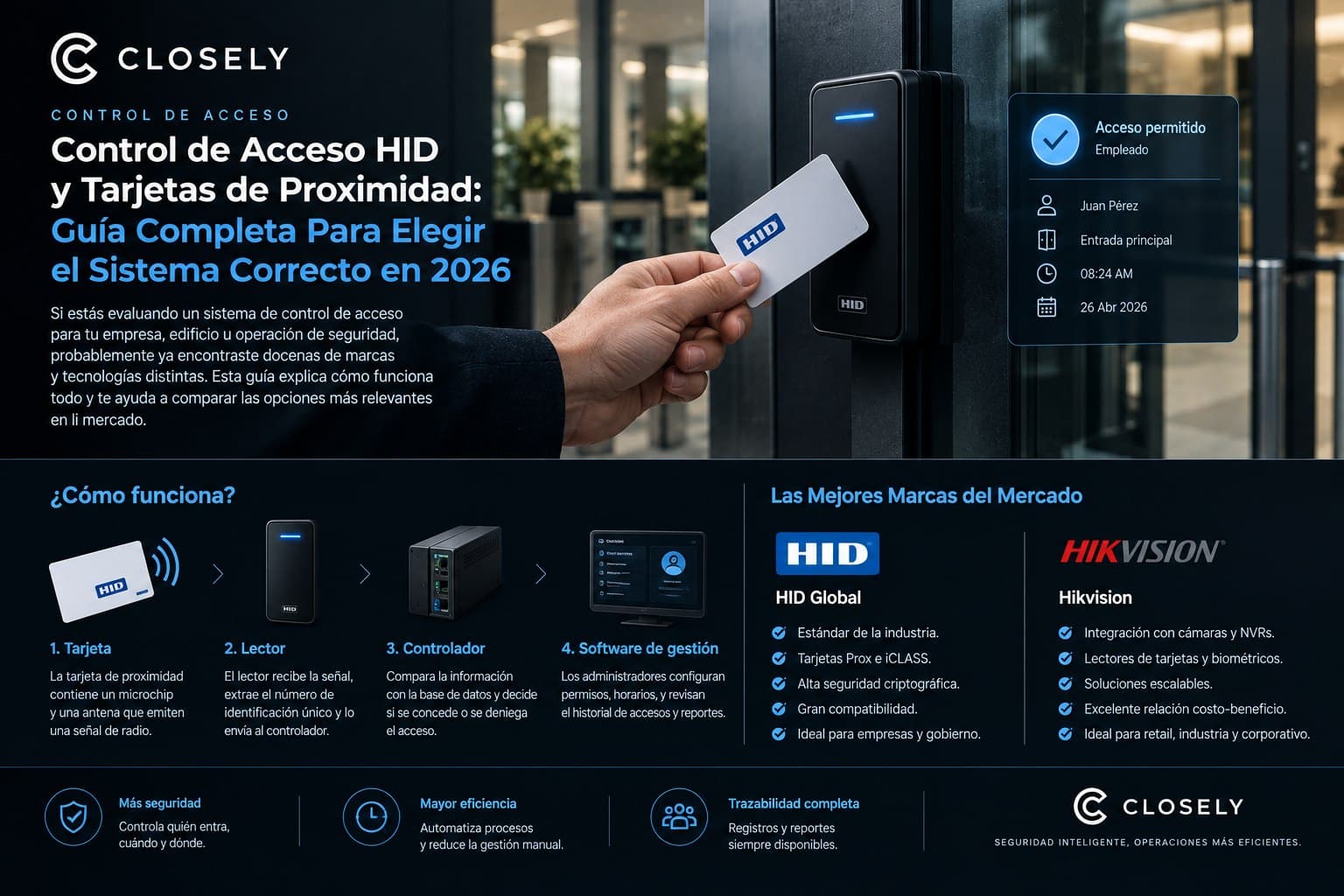
HID Access Control and Proximity Cards: Complete Guide to Choosing the Right System in 2026
Guide to HID access control and proximity cards, comparing Hikvision, Intelbras, Suprema, ZKTeco, Lenel and Honeywell.
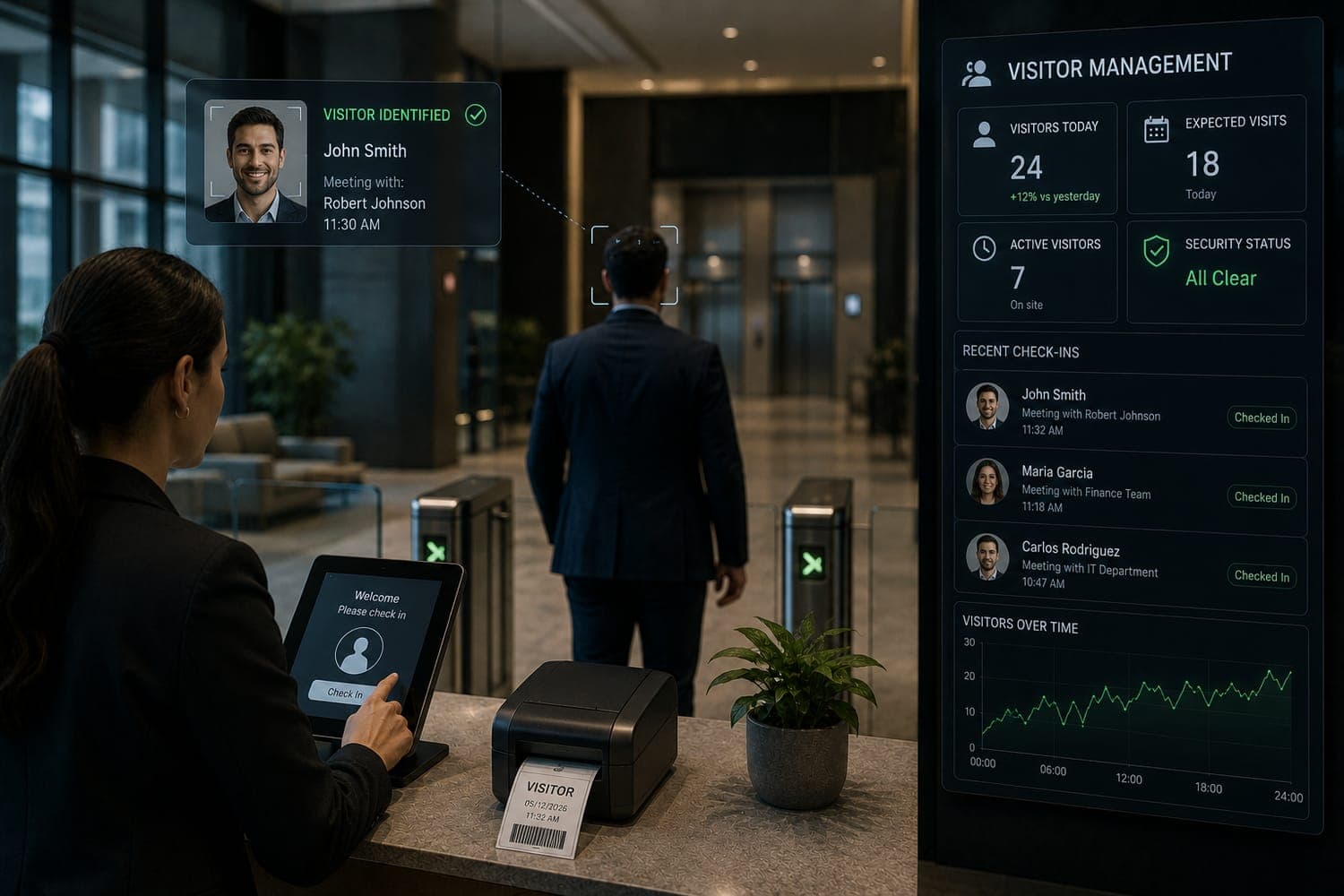
Visitor Management Systems: Why the Old Sign-In Sheet Is Costing You More Than You Think in 2026
A paper log isn't visitor management — it's a false sense of security. Here's how AI-powered visitor management systems actually work, and why buildings are upgrading.
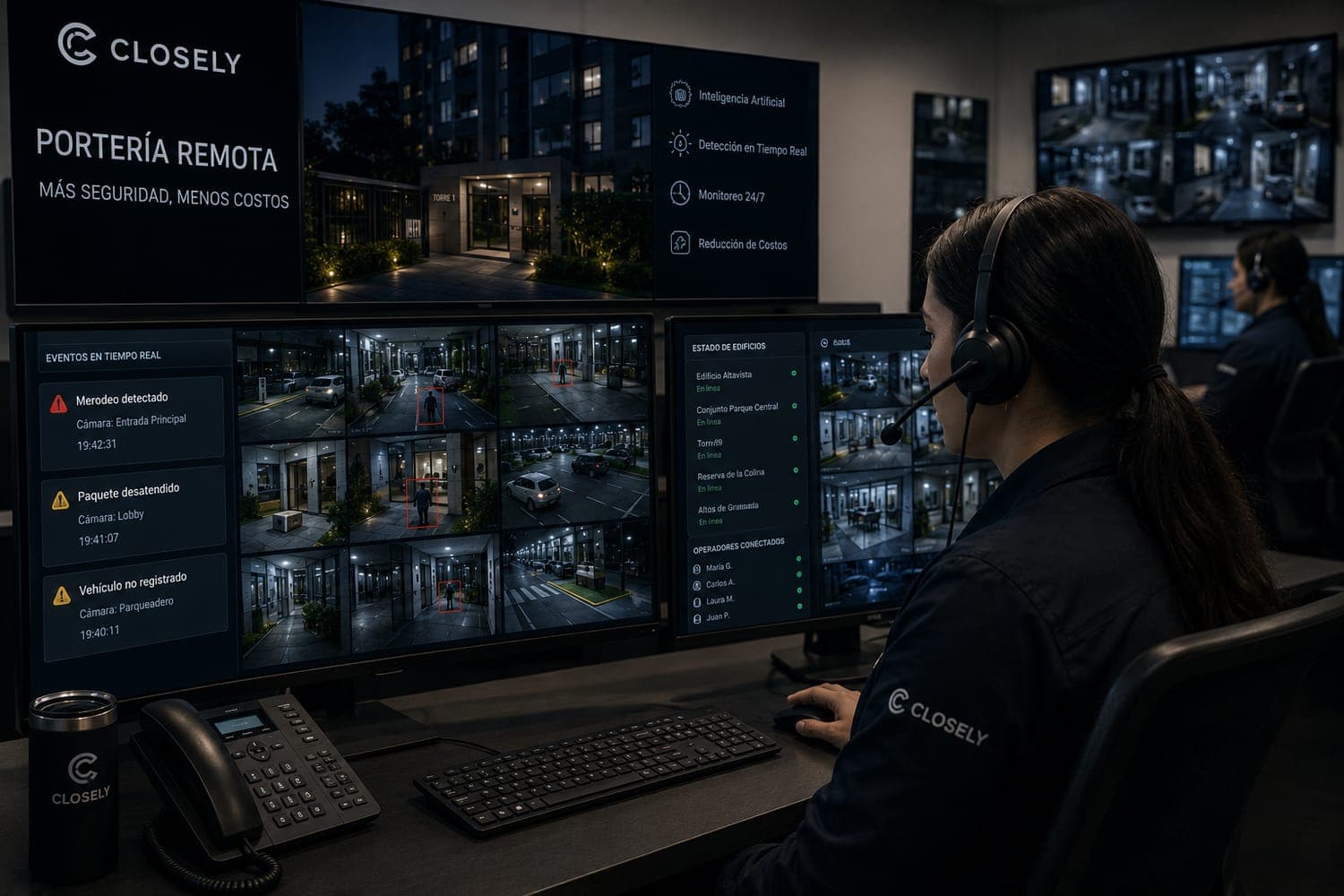
Remote Doorman & AI: How Buildings in Bogotá Are Automating Security in 2026
How remote doorman service works in Bogotá, what technology a building needs, and how AI is transforming residential security and monitoring centers.
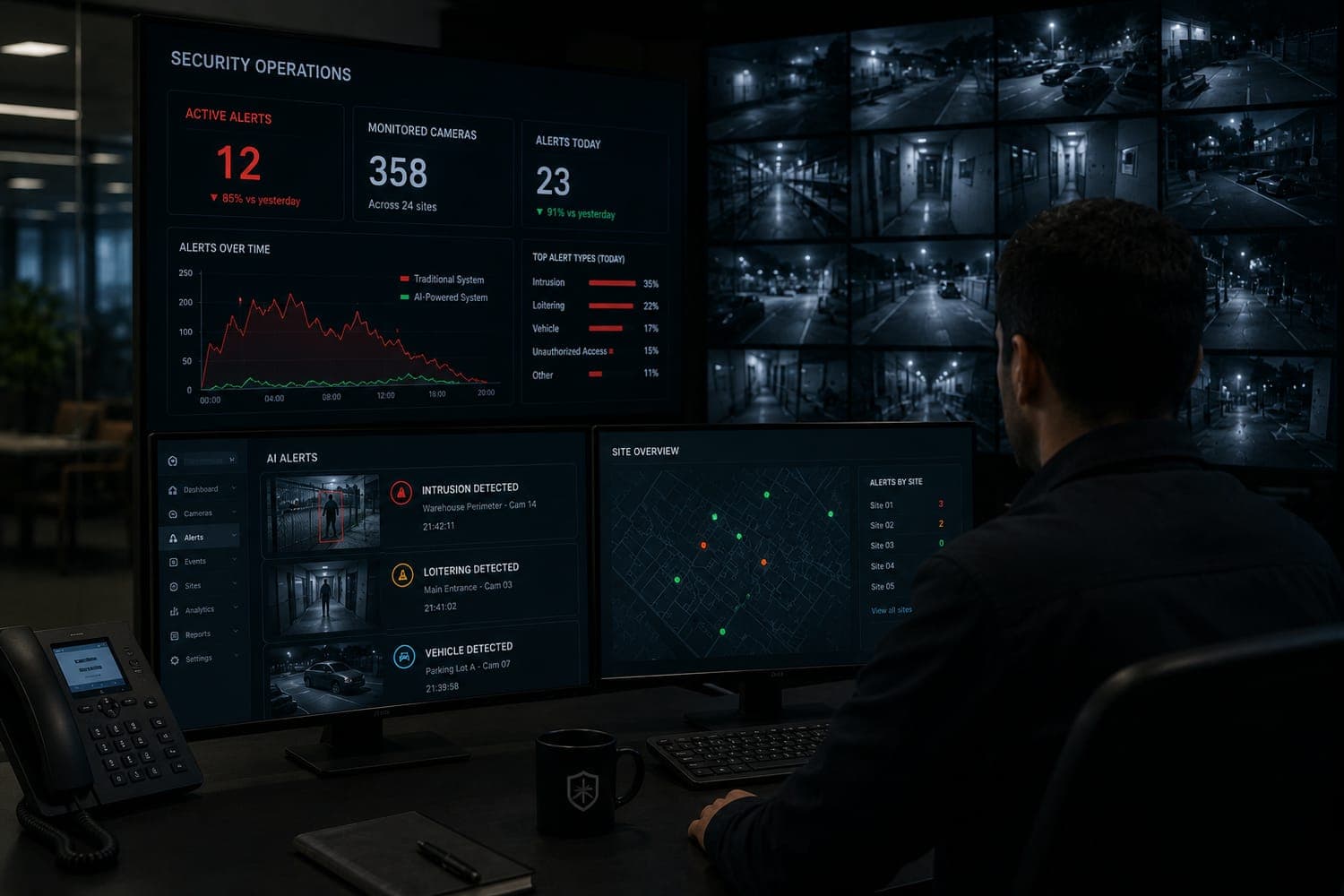
Business Security Systems: Why Costs Keep Rising — and How AI Is Finally Bringing Them Down
Physical security incidents cost companies an average of $9M in lost revenue. Budgets are rising — but the answer isn't more of the same. Here's how AI changes the cost equation.
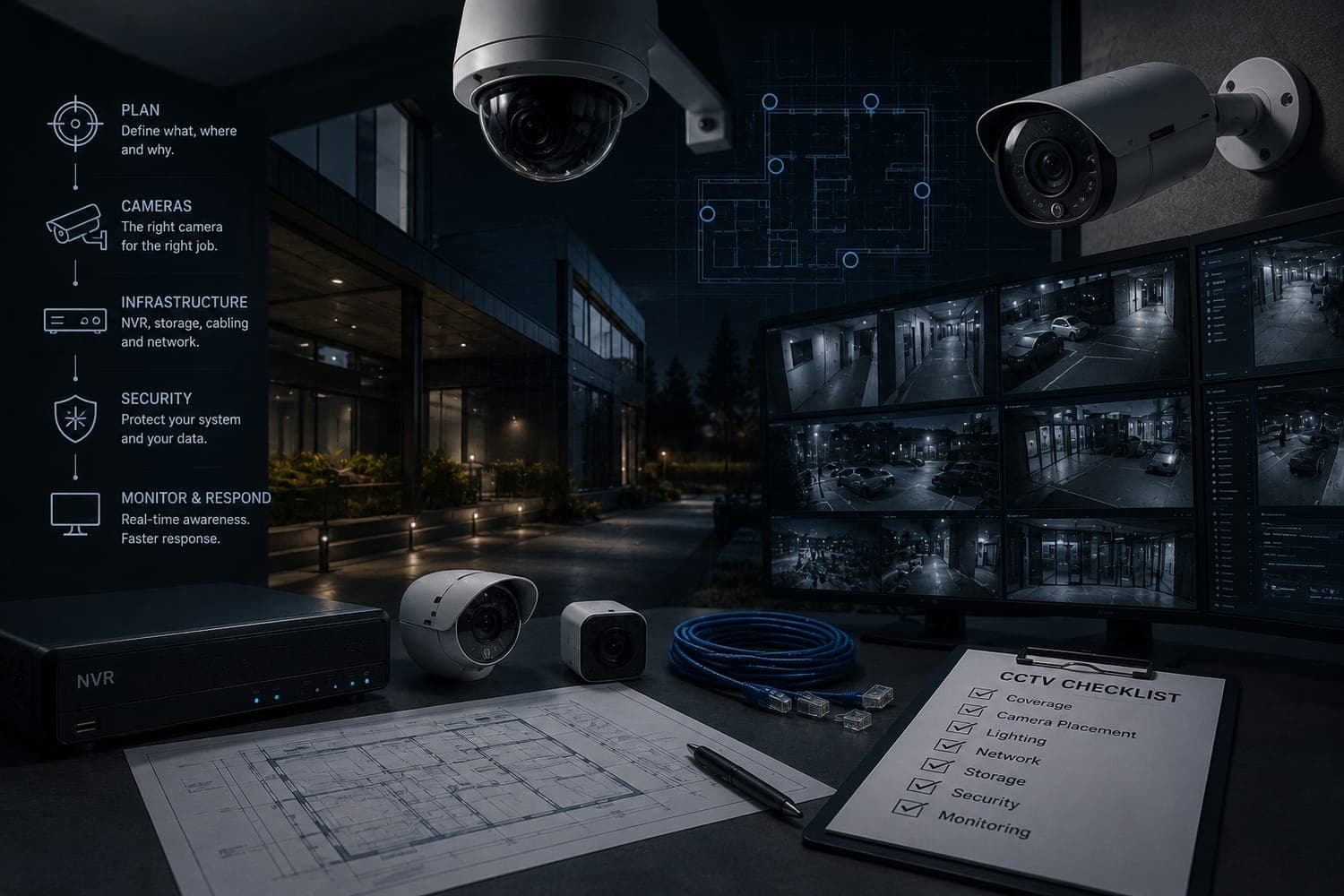
CCTV Security Systems: Everything You Need to Consider Before Installing One in 2026
Cameras, recorders, alarms, AI analytics, remote monitoring — everything to consider before installing a CCTV security system for your business or building.
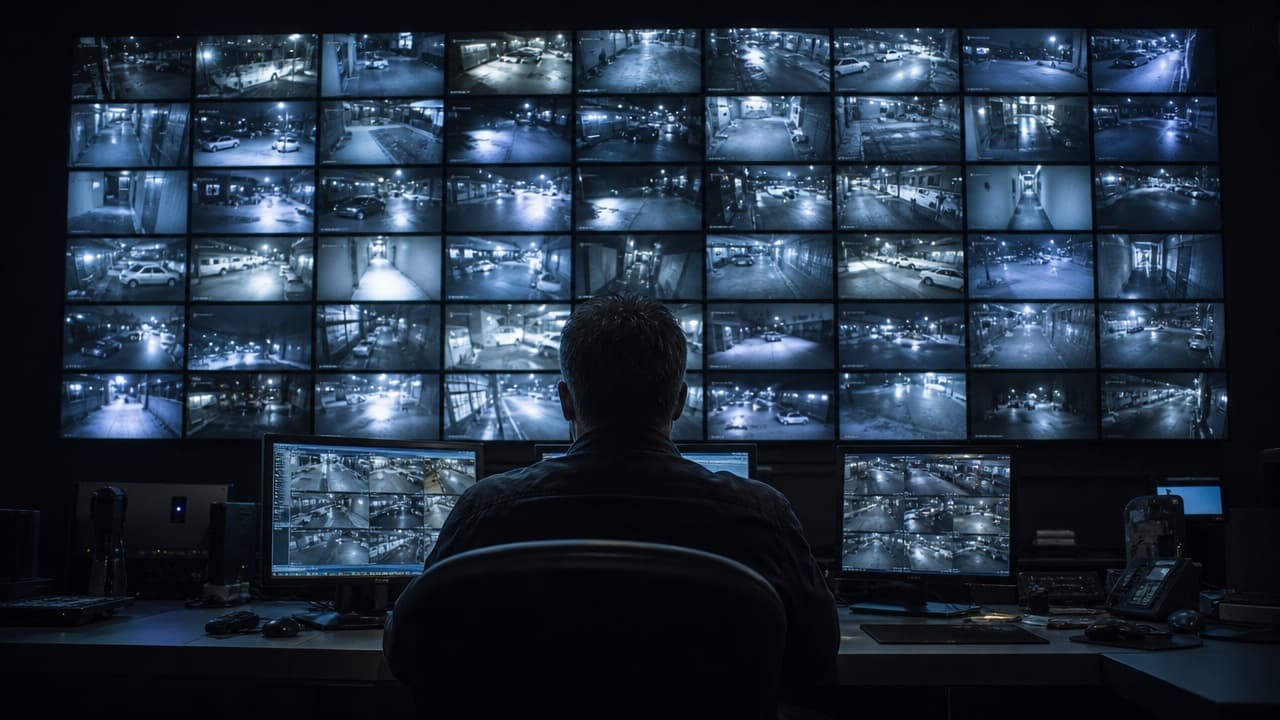
Why Security Monitoring Centers Hit a Growth Ceiling — And How AI Agents Break It
Most physical security monitoring centers plateau around 30–50 clients per operator. The constraint isn't cameras or staffing — it's cognitive load. Here's why AI agents fundamentally change the economics of scale.
From Reactive to Proactive: How AI Agents Are Changing Physical Security Operations
For decades, physical security has been reactive by design — cameras record, guards watch, incidents happen. AI agents change that equation entirely. Here's how leading security companies are making the shift.